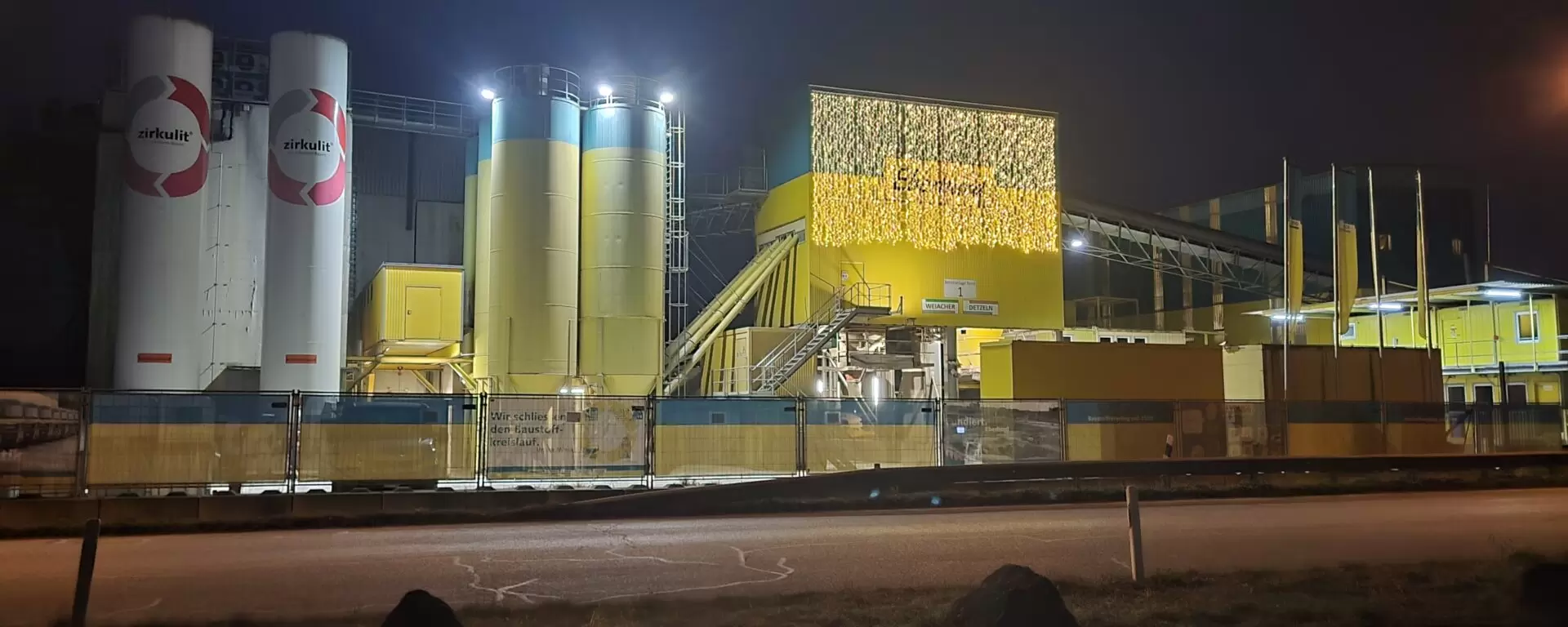
Your old stuff isn’t waste it’s raw material. What if the city is the new mine?
What is urban mining?
Urban mining is the process of recovering valuable materials from broken products, buildings, and infrastructure in cities, rather than extracting them from natural ores in the ground.
Why did I choose urban mining as a project?
I chose this project since at first glance it seemed quite interesting. My first thought on it was: ”If we could save resources by taking it from demolished buildings, filter them, and then reuse them for future buildings we could save a lot of money”. I was also hoping that some people would be interested in this topic! Well I was wrong, yet I think I still delivered a solid project and learned a lot.
My Interview with Daniel Locher and the Questions
Daniel Locher is an urban mining expert at AWEL (zh.ch), Canton of Zurich, Switzerland, and knows a lot more than I do. He was kind enough to make time for an interview with me.
Thirteen interview questions and my summary of his answers
🎙️Listen to the full interview below (German or English).
How would you define urban mining in your own words?
Summarized answer: Recovery of raw materials from waste.
Which materials or resources are most commonly extracted through urban mining?
In terms of quantity, it’s mostly aggregates (sand and gravel); the environmental benefits are particularly significant for metals from waste-incineration plant slag, also known as bottom ash.
How does urban mining differ from traditional mining or recycling?
In traditional mining, the material is extracted from natural ore deposits deep within the earth, while recycling involves the targeted collection and reuse of materials (e.g. aluminum cans).
Which countries or regions are leading the way in urban mining initiatives?
I don’t have a global overview. A lot is certainly being done in this area in Switzerland and the EU.
How does urban mining contribute to reducing environmental pollution compared to traditional mining?
Two effects: substitution effect, i.e. fewer raw materials need to be mined with all the negative effects that entails, reduction in waste volume and ultimately landfill volume with fewer emissions into the environment
Can urban mining significantly reduce the demand for raw materials extracted from the earth?
The demand for raw materials can be reduced, but at the same time it is rising sharply due to growth and the energy transition.
What are the challenges in ensuring that the urban mining process itself remains environmentally friendly?
Energy consumption for the process, usually significantly lower than mining. Contamination of the product, often also an issue in mining.
How can we better track the materials collected through urban mining?
Transparency in the facilities; mining is still significantly less transparent.
What role should governments play in comparison to the private sector?
The state should provide targeted support, exercise “smart” control, and allow innovation; companies should be successful with innovative business models.
Can you give an example of a successful urban mining project that you have worked on or researched?
Recovery of metals from waste incineration plant slag.
Note: example Raw materials and recycling at UMTEC (ost.ch)
What are the biggest logistical or organizational challenges in collecting waste for urban mining?
Heterogeneity, decentralized distribution, inconsistent and complicated systems. Only materials that are valuable enough are recovered.
How do you think urban mining will develop over the next 10 to 20 years?
The circular economy starts one step earlier so that a material can be used several times. (e.g. a toy is first repaired and resold in a thrift store and only then ends up in the trash, where the metals are recovered).
Which materials will become increasingly important for extraction from urban sources in the future?
Metals from batteries and solar modules, minerals from demolished buildings (e.g. concrete, metals, bricks).
Full Interview
Interview with Daniel Locher, urban mining expert from AWEL, Canton Zurich, Switzerland, 11 December 2025 by video conference.
Interview in Deutsch, Original:
Interview in English, AI generated speaker and translation:
Interview-Transkript in Deutsch (txt, Original)
Interview transcript in English (txt, AI translation)
Interview summaries English and/und Deutsch (txt, AI generated)
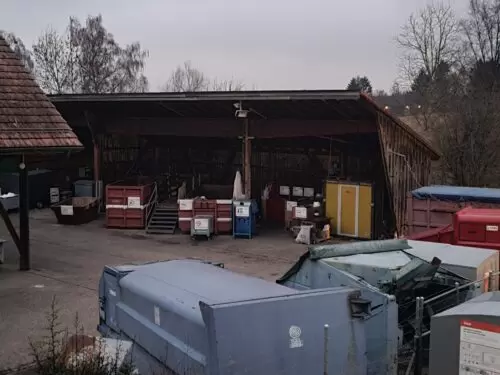
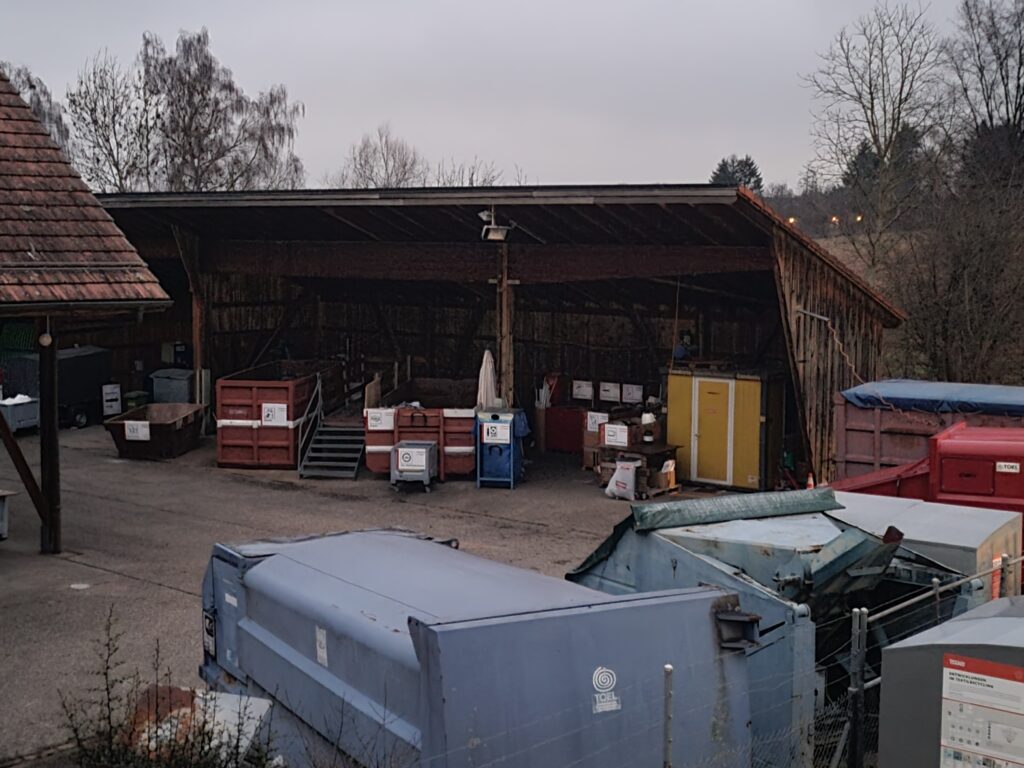
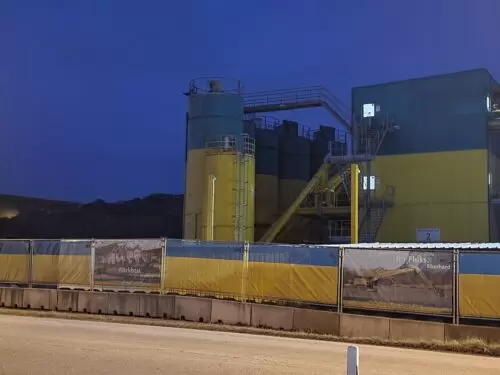
Photo Gallery
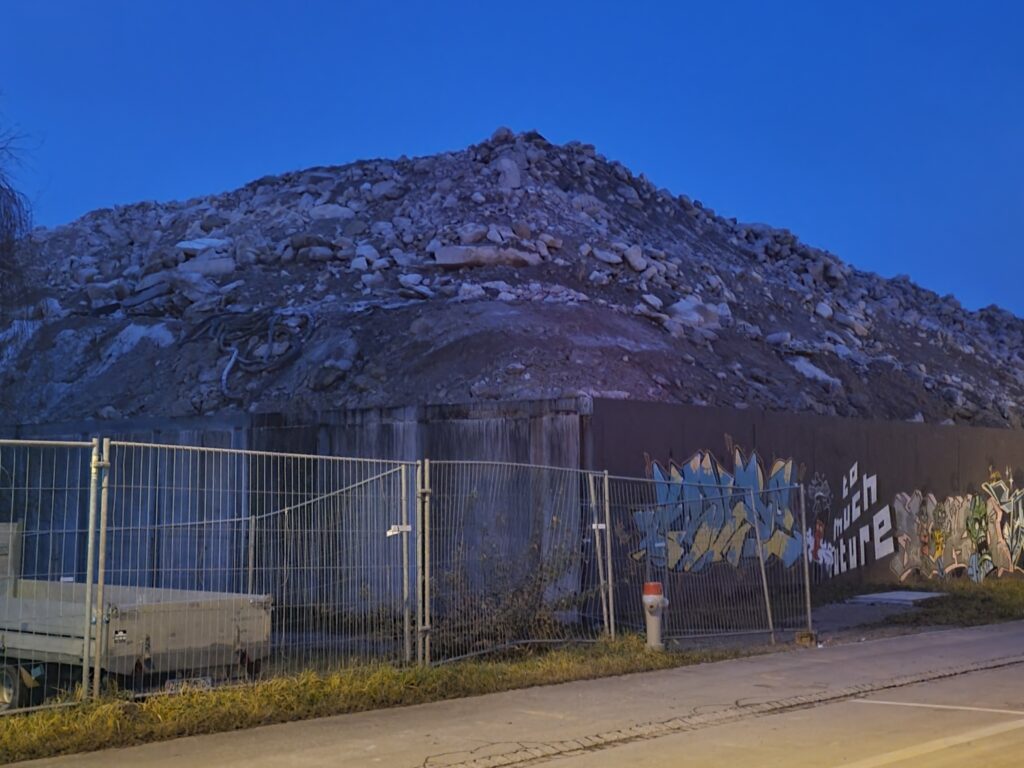
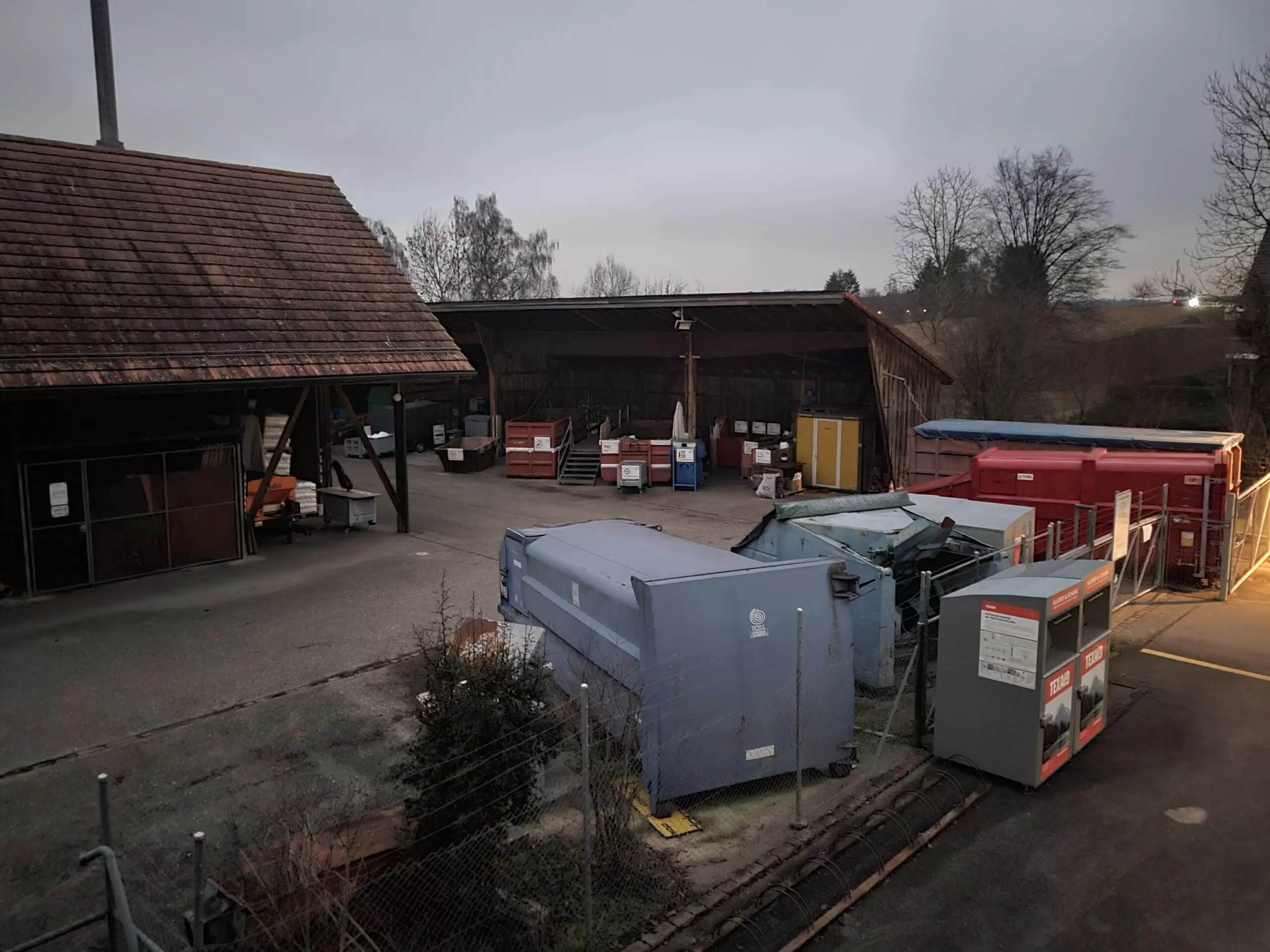
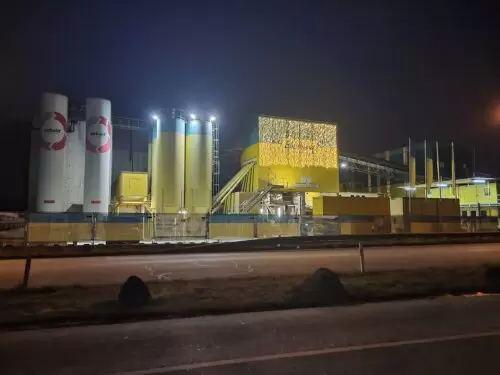
Reflection
In general I would say there’s always room for improvement. Honestly I didn’t spend as much time as I wanted with this project and I was hoping to get to know people from foreign countries. Yet I am very happy that I was able to conduct an interview and have an interesting conversation with someone of knowledge in this topic.
Author
Jack Richardot
(reviewed by Eliane Suter)
Sources
Baustoffkreislauf Schweiz (eberhard.ch),
Daniel Locher, AWEL, Abfallwirtschaft und Betriebe, Urban Mining (zh.ch)
Wikipedia and other sources
The interview questions were generated with the help of ChatGPT.
On-topic posts on dontwastemy.energy
Urban gardening cities – top or flop?
Several posts in the category “Recycling“.
☷ See the project teams here »
☵ Some words about the contributions »
☴ Our sponsors and partners » (the-horse.education)
Wow, The article is well-structured, insightful, and supported by strong arguments. The ideas are clearly articulated and demonstrate excellent analytical skills.
Really interesting read. The article clearly explains urban mining and highlights its role within a broader circular economy, supported by an insightful expert interview.
This is such an inspiring one! i didn’t know urban mining could be this interesting
Urban mining has been done for many years when it comes to Jakarta. As far as I know when people tried to rebuild and renovate their house, they used their own leftover pieces from the renovation destruction to create an eco-friendly environment while saving lots of money. I think this topic would be very suitable for growing countries and many that are struggling with processing resources.
Extra ordinary important, timely and immense benefit for building sustainable civilization. I am a professor of Sociology at The University of Indonesia, that has a long experience in the nickel mining industry ( 8 year as a member independent board of commissioners at PT Antam Tbk. ), seeing the project as an interesting and highly important one. For instance, the recycle of unused EV battery is urgent in solving the extension of environmental damage by the opening new mining sites as well as the environmental problem in the cities.
https://sosiologi.fisip.ui.ac.id/gumilar-rusliwa-somantri/
Truly inspiring! Reading this made me realize how important our role is in the circular economy. Thanks for sharing the interview and your reflections, Jack. This is a very valuable piece.
What an amazing article! I completely agree with the point that we can’t keep digging up the earth forever. The interview with Daniel Locher was very insightful, especially regarding the future of recycling batteries and solar panels. We need more people who care about this issue like you do. Great work!
Really interesting read. I never thought about demolished buildings or waste incineration slag as sources of raw materials before, and this article explains urban mining in a very accessible way. I also appreciated that it highlights both the potential and the challenges, showing that urban mining is an important part of a broader circular economy rather than a perfect solution on its own.