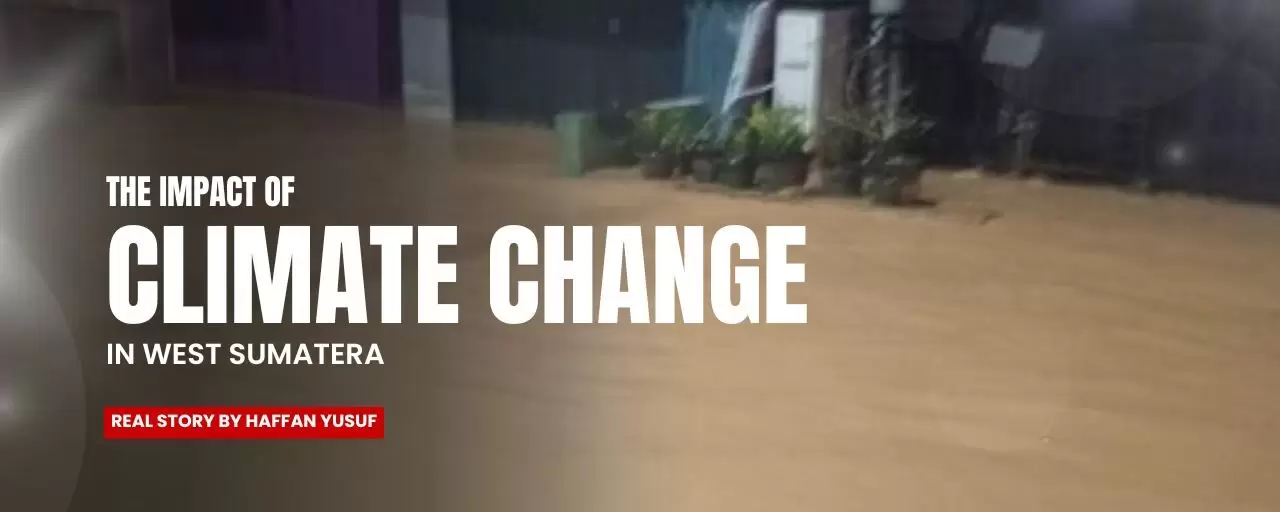
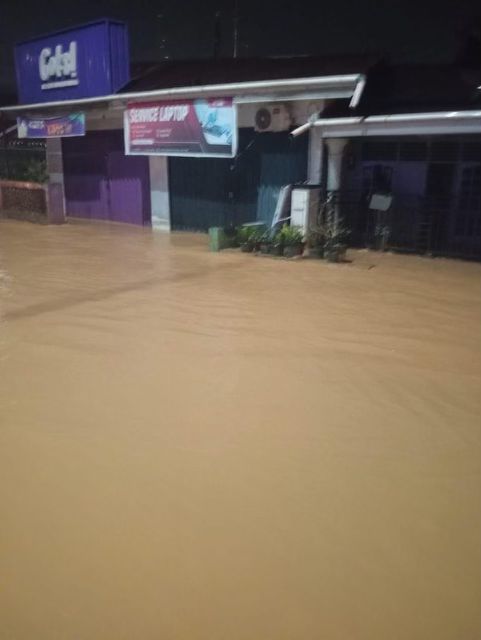
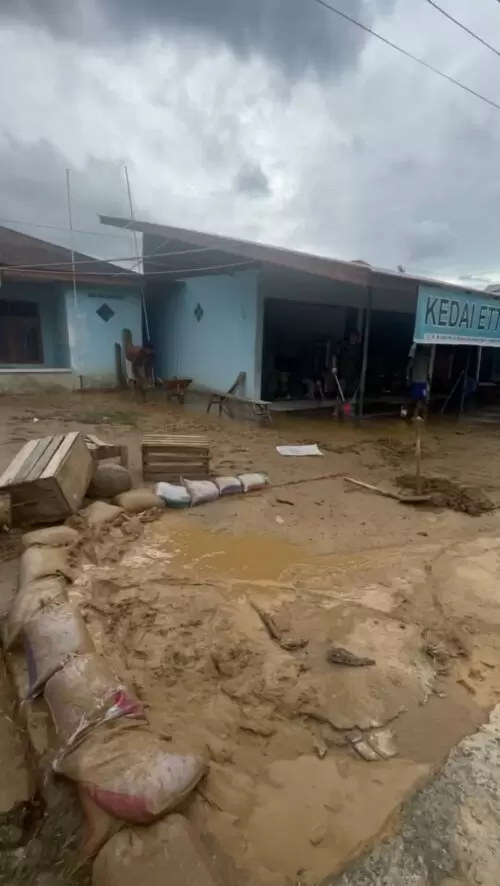
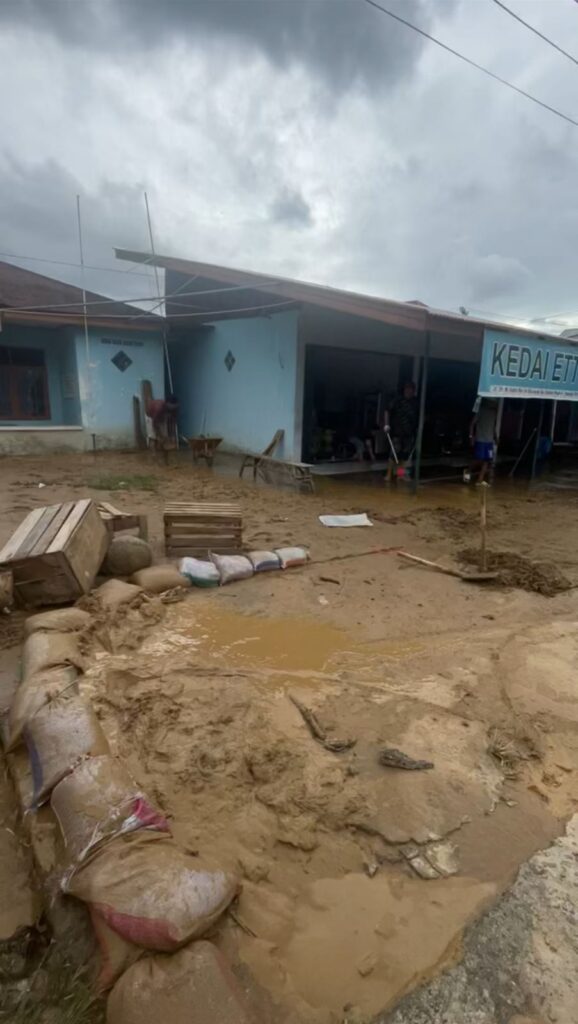
Climate change is no longer a distant warning, it’s disrupting everyday life through sudden floods, extreme rain, and unpredictable weather. Its impacts were felt directly in our homes and communities in Sumatera Barat during the 25th–27th November floods in 2025.
Climate Change Perspectives from Indonesia, West Sumatra
Climate change often feels distant. But for Haffan Yusuf, a university student in Padang, it became real when a sudden flood brought his daily life to a halt end of November 2025. Living in a busy urban area near Andalas University, he was used to constant student activities, motorbikes, and food stalls. But when heavy rain overwhelmed the drainage system, roads were submerged and classes were cancelled. He found himself isolated in his boarding house, while his worried parents watched from Jakarta.
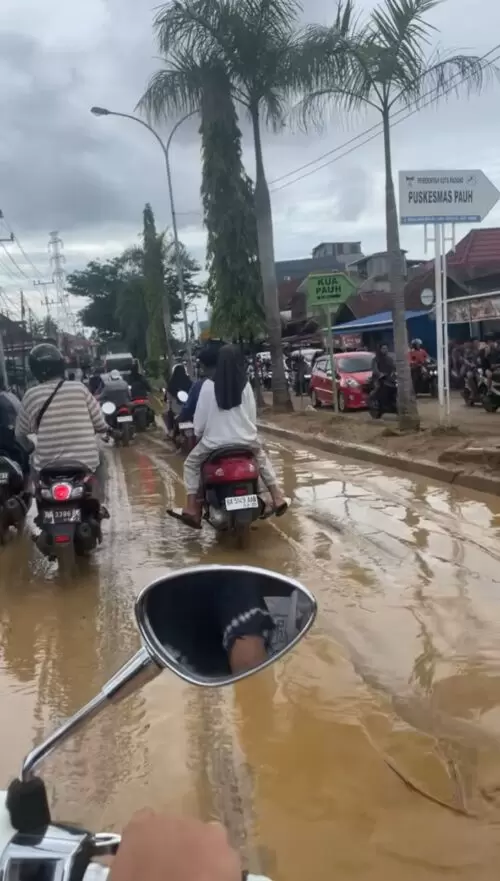
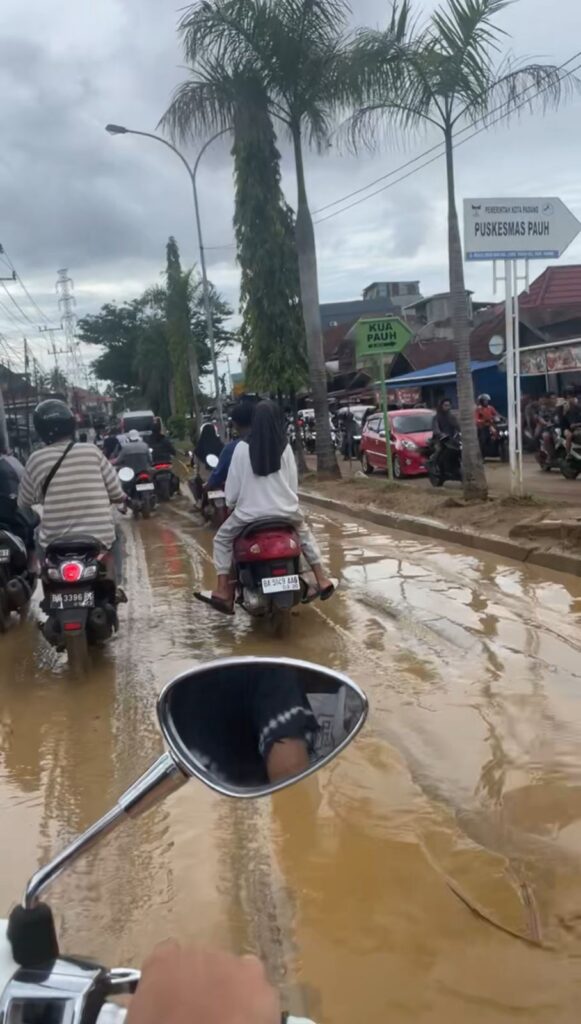
Although his residence stayed dry, the disruption showed how quickly extreme weather can change everyday life. Floods in places like Pauh District aren’t new, but their intensity and unpredictability have increased. As global temperatures rise, short bursts of very heavy rain become more common, pushing urban infrastructure beyond its limits and turning simple routines, like going to class, into challenges.[1]
Interview with Haffan
Can you please introduce yourself?
My name is Haffan Yusuf. I am a student at Andalas University in Padang.
Where do you currently live, and how would you describe the area?
I currently live in a boarding house located in Pauh District, Padang, West Sumatra. The area where I live is an urban, and fairly crowded district, especially because it is close to the university.
Did the recent flood affect the area where you live?
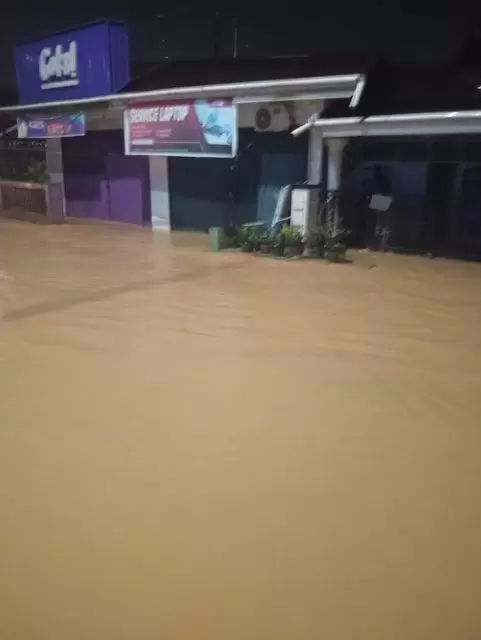
Yes, the area around my boarding house experienced flooding, although my boarding house itself was not flooded.
How did the recent flood affect your daily life?
The flood made it difficult for me to carry out my daily activities. Many roads around Pauh District were submerged, so I couldn’t leave my boarding house or travel to campus.
What has been the biggest impact on you or your family because of the flood?
The biggest impact was, that my classes were suspended, and I couldn’t go anywhere due to the blocked roads. My parents, who live in Jakarta, were also very worried since I live alone as a student in Padang.
How has the flood impacted your work, routines, or livelihood?
My study routine was heavily affected. Access to the university was cut off. Academic activities were temporarily halted because many students and lecturers were unable to reach the campus.
What has been the most difficult thing for you to deal with during and after the flood?
The most difficult part was the disrupted transportation access. Even though my boarding house was safe, most of the surrounding roads were flooded, so I couldn’t do my usual activities. Being a student living far from home also made the situation more challenging.
Do you think climate change contributed to this flood? If yes, how?
Yes, I believe climate change played a role. The rainfall has become more extreme—very heavy rain falling in a short period of time, which overwhelms the drainage system.
Have you noticed any changes in weather patterns over the past 10 years?
I’m not very sure about weather changes over the past 10 years because I only recently moved to Padang. However, based on my experience here, the rain often falls suddenly and with very high intensity.
In your opinion, what should communities or the government do to better prepare for extreme weather or future floods?
I think the government should improve the drainage system, regularly clean and maintain rivers and waterways, and strengthen early-warning systems. Communities also need to help by keeping the environment clean and making sure the drainage is not blocked with waste.
Video Impressions
What Can We Learn
Haffan’s experience highlights the urgent need for better drainage systems, stronger early warning tools, and community habits that keep waterways clean. His story reminds us, that climate change isn’t just a global discussion; it’s a local reality affecting students, families, and neighbourhoods. Preparing and adapting now is essential to protect the people living in its path.
Reflection
This project taught me a lot. One of the biggest challenges was finding a person to interview, because it took time and was not easy. I also learned that I should plan everything more clearly from the beginning, so the work becomes easier. The topic of climate change is very important, and I wanted to do it well. In the end, I managed to finish the project successfully, and I am happy with the result.
Authors
Siti Ayla Elvasari
Erly Septia Rizaldi
Nabila Shernaz Syam
Nehmiya Ghebru
Sources
[1] Legalisasi Bencana Ekologis di Sumatera Barat, (walhi.or.id)
[2] Interview questions created with the help of Chat GPT
On-topic posts on dontwastemy.energy
☷ See the project teams here »
☵ Some words about the contributions »
☴ Our sponsors and partners » (the-horse.education)