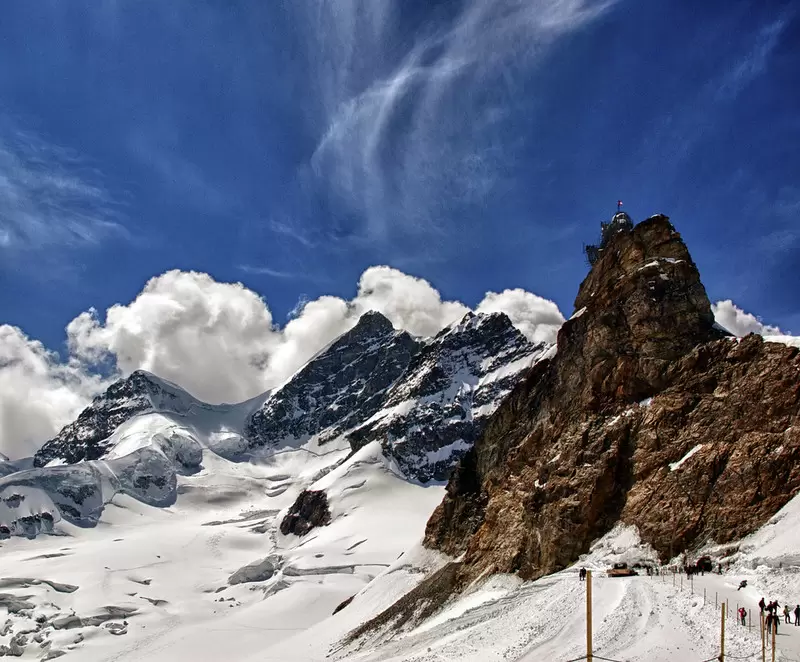
Lessons of Survival from Athletes and Local Indonesian Wisdom
One of the most relevant references for Indonesian survival culture is the program Jejak Si Gundul. The show follows Heru Gundul as he travels through remote villages, forests, mountains, rivers, and coastal areas. He learns from local communities while showing how people survive with limited resources.
From Jejak Si Gundul, we learn several important lessons.
- Local wisdom has strong value. Villagers know how to find water in the forest, prepare food from local ingredients, recognize safe and unsafe plants, and build shelter quickly.
- Survival is not only about expensive equipment. It is often about understanding the environment and respecting nature.
- Communities in remote regions rely on cooperation and simple, practical skills. These social values help them survive challenging conditions.
- Real endurance develops through discipline, patience, and adaptability. This can be seen from Heru Gundul’s journey through jungles, rivers, and isolated regions.
The program shows that modern tools are useful, but traditional knowledge is also powerful and relevant in Indonesia.
So, we started researching the internet, Wikipedia, and various websites and came across an interesting page, and here is a brief summary of what we took away from it.
Athletes preparing for extreme situations make sure they have top-quality safety gear, proper coaching, and a strong mental game. They rely on reliable equipment — like advanced airbags — so they can practice risky maneuvers with confidence and lower injury risk. With constant guidance from experienced trainers, they learn technique, safety procedures and the right mindset. Equally important is mental preparation: they build resilience, focus and trust in their training and gear before they ever step into a demanding or dangerous situation.
Are There Modern Solutions?
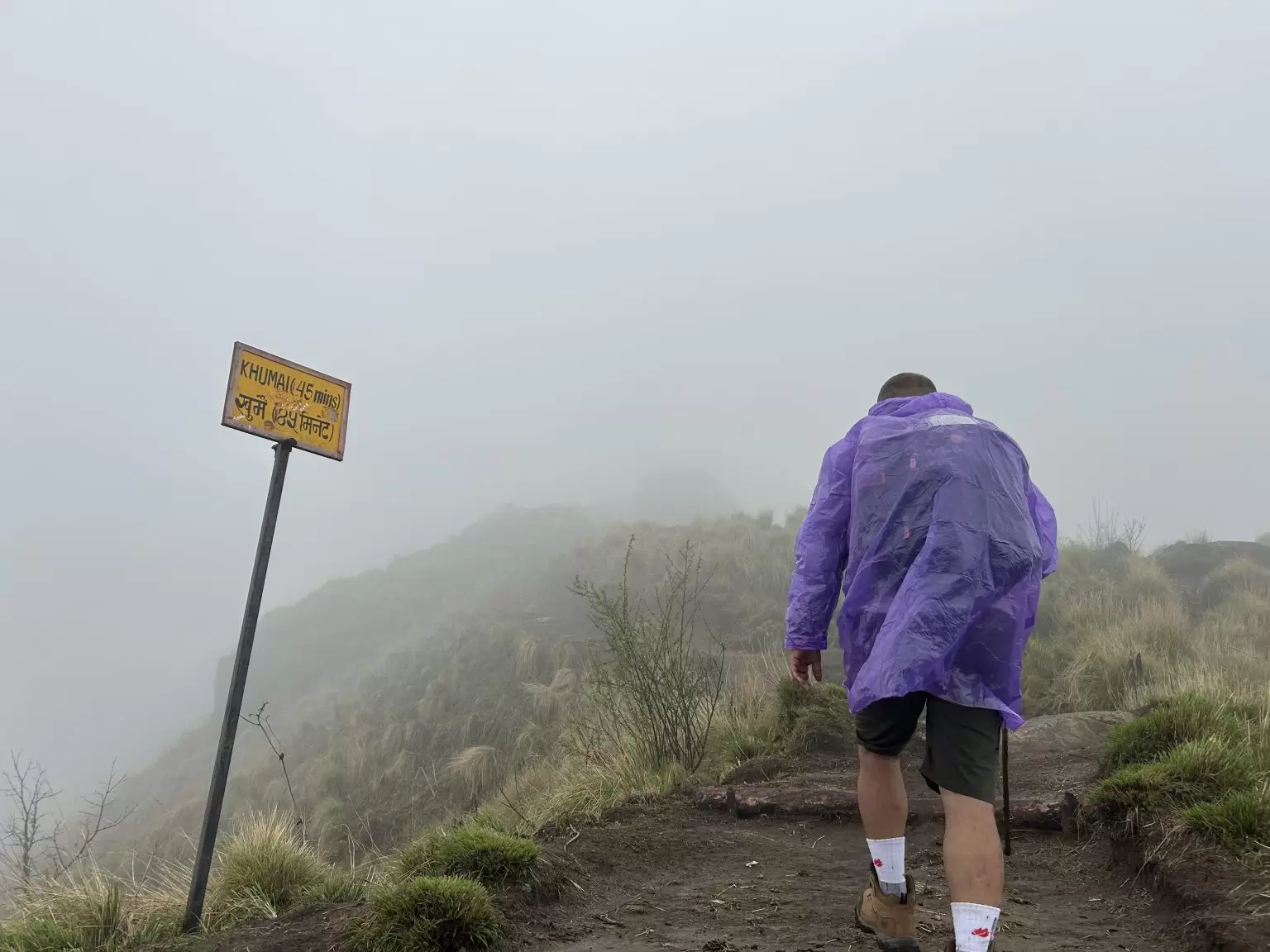
The interview revealed many important details that play a key role in preparation, along with a discussion of the latest training methods used today. The most effective training methods remain based on fundamental exercises and long-established diets, while modern approaches mainly focus on better planning and management of these basics. Today, several modern solutions help Indonesians prepare for extreme environments, including airbag vests and protective gear, smartwatches and GPS trackers with emergency features, portable emergency beacons, and lightweight camping and climbing equipment that reduces physical strain. At the same time, local community knowledge and traditional wisdom—such as predicting weather, finding safe routes, and handling wildlife—remain essential. This combination of strong fundamentals, modern technology, and traditional knowledge creates a complete and reliable survival strategy.
Media
Interview from Vasyl with Alex
Vasyl from Switzerland interviews Alex who is a experienced trekker currently living in Canada.
Reflection
This project helped me understand that surviving extreme conditions in Indonesia requires more than physical strength. It also requires mental readiness, knowledge of the environment, respect for cultural practices, and awareness of the natural ecosystem. Through programs like Jejak Si Gundul, we learn that many Indonesian communities have survived for generations through cooperation, simple but effective skills, and adaptability.
For outdoor enthusiasts, survival is not only about buying gear. It is about learning the land, respecting nature, preparing mentally, and learning from people who truly understand how to live in extreme environments.
Authors
- M Reva Zaturrahman
- Vasyl
Sources
Content
- Jejak Si Gundul article (anytvonline.com)
- Interviews and survival stories from Indonesian communities.
- Interview with Alex
- Bag Jump Airbag System (bagjump.com)
- anytvonline.com article about local wisdom and regional exploration.
Pictures
- Featured Image: “Jungfraujoch, Top of Europe, Switzerland” by kevinpoh is licensed under CC BY 2.0.
- CC0 licensed photo by Yam B Chhetri from the WordPress Photo Directory.
On-topic posts on dontwastemy.energy
☷ See the project teams here »
☵ Some words about the contributions »
☴ Our sponsors and partners » (the-horse.education)