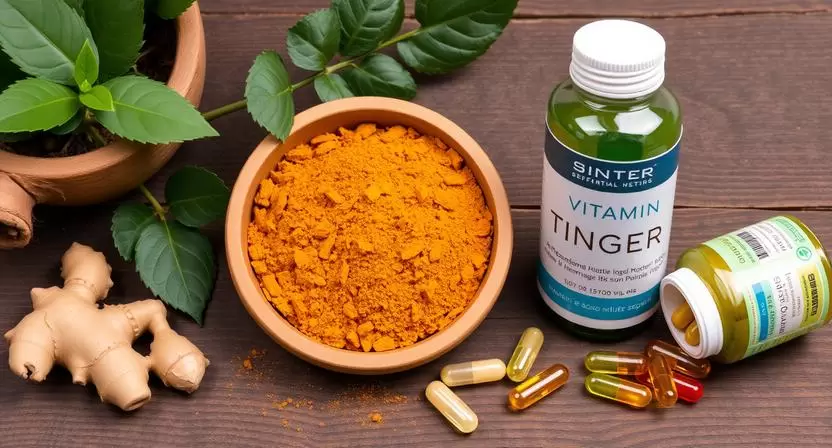
Whether Alpine herbs or jungle plants – health begins in nature. Indonesian plant diversity and Swiss precision offer two fascinating ways to boost well-being. But what can the two countries learn from each other?
This project is about how two very different cultures in two very different countries far away from each other understand and live health. The article compares how both cultures strengthen body and mind and discuss how tradition and modern research can help each other – for sustainable well-being.
Health as a reflection of culture
Health is not a universal concept. It is understood differently in every culture – shaped by history, geography and philosophy of life. In Indonesia, it symbolises harmony with body, mind and nature. In Switzerland, it is an expression of self-determination, clarity and prevention. These different perspectives form the very ground for each of the “health booster” traditions.
In Indonesia, the booster concept is more spiritual and organic. Health is not a state, but a flow – influenced by nutrition, emotions, energetic balance and social connection. There, plant-based health boosters have been used for generations through traditional herbal practices. The tradition of Jamu, a plant-based healing culture, is still practiced in almost every village today. Women make fresh mixtures of turmeric, tamarind, ginger or palm sugar. Jamu continues to coexist with modern products, even as public awareness of natural and preventive healthcare increase.
This everyday medicine is more than just herbal medicine – it is cultural identity. Jamu stands for resilience, femininity and transfer of knowledge. In every recipe there is a story and a form of care in every mixture.


In Switzerland, on the other hand, there is a deep trust in measurable quality and scientific evidence. Health is planned, analysed and systematically improved – a reflection of the Swiss mentality, that focuses on order and functionality. The term “health booster” refers to products that are designed to optimise bodily functions: nutritional supplements, microbiome analyses, cold-plunge therapy or personalised nutrition programs. Health is not connected to feelings – it’s a physical statement.
Indonesia: Health as a relationship with nature
Indonesia understands health as a social and spiritual balance. In the Indonesian philosophy of life, “Tri Hita Karana” – the three sources of happiness, wellbeing is created through harmony between humans, nature and god. This principle is directly reflected in the use of medicinal plants.
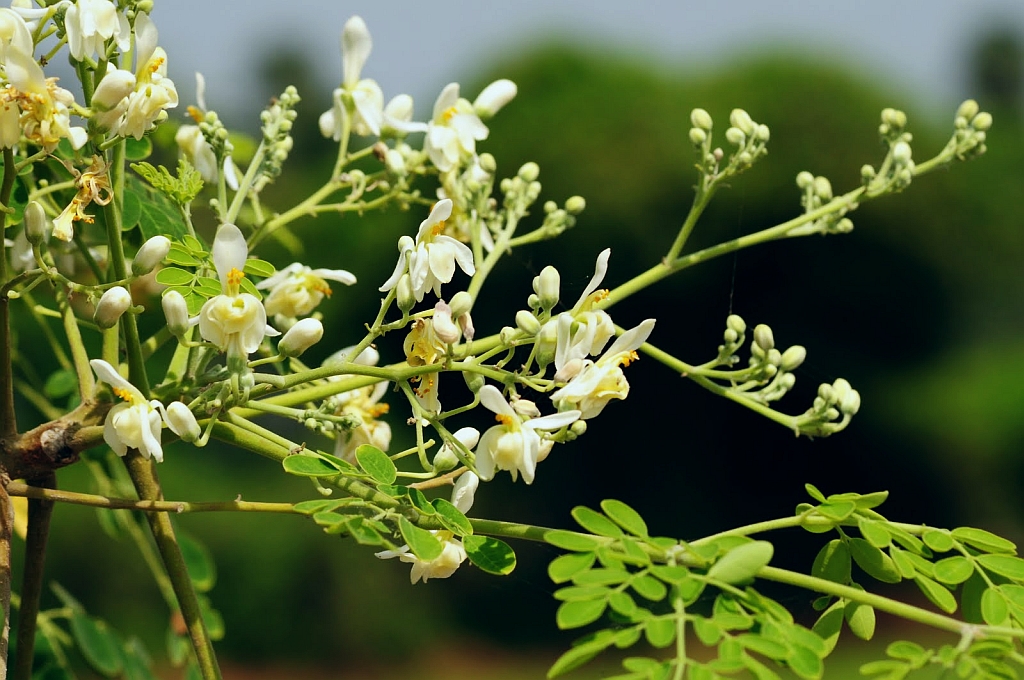
Indonesia’s biodiversity provides numerous plants with health-enhancing properties. Some of the most commonly used include:
- Turmeric (Curcuma longa)
Known for its anti-inflammatory and antioxidant properties, turmeric helps support immune function and digestive health. - Ginger (Zingiber officinale)
Ginger is widely used to improve circulation, relieve nausea, and strengthen the immune system. - Temulawak (Curcuma xanthorrhiza)
This plant is traditionally used to support liver health, increase appetite, and boost stamina. - Lemongrass (Cymbopogon citratus)
Lemongrass contains antimicrobial compounds and is believed to help reduce stress and improve digestion. - Moringa (Moringa oleifera)
Rich in vitamins and minerals, moringa is considered a natural supplement to enhance immunity and energy levels.



Jamu – Composition and benefits
The Jamu tradition is not a thing of the past here, but a living modernity. Jamu is part of everyday life in over 80% of Indonesian households. While modern supplements are offered in urban areas, home-made recipes remain central in rural areas.
Jamu is a traditional Indonesian herbal drink made from natural ingredients such as roots, leaves, bark, flowers, and spices. Common ingredients include turmeric, ginger, tamarind, galangal, cinnamon, and palm sugar.
The benefits of Jamu vary, depending on its composition, but generally include:
- Improving immune resistance
- Enhancing physical endurance
- Supporting digestion and metabolism
- Reducing inflammation and fatigue
Unlike synthetic supplements, Jamu emphasises holistic balance and long-term wellness, rather than instant results. Jamu has been experiencing a renaissance for a few years now. Start-ups are now exporting modern versions in sustainable glass bottles – vegan, fairly traded and certified organic. At the same time, the Indonesian government is making efforts to integrate Jamu into the public health service.
Interview with a pharmacist
According to a licensed Indonesian pharmacist, herbal health boosters can be beneficial when used appropriately. The pharmacist explained, that plant-based supplements and traditional herbal products can support general health, especially for immunity and stamina. However, they should not replace prescribed medication for serious medical conditions. Herbal products work best as complementary support rather than primary treatment.
The pharmacist also emphasised the importance of product safety and regulation. She noted, that consumers should choose Jamu or herbal supplements that are registered with health authorities, as proper processing and dosage are crucial to ensure safety and effectiveness. Additionally, she highlighted the growing integration between traditional and modern medicine. “From a pharmaceutical perspective, many modern drugs are inspired by plant compounds. This shows that traditional knowledge, when scientifically evaluated, can contribute significantly to modern healthcare.”
Switzerland: Health as science and precision
Switzerland is synonymous worldwide with quality and purity. This image also characterises the healthcare market. From Zurich to Geneva, start-ups are popping up that develop food supplements on a molecular basis, while pharmaceutical research centers are working on micronutrient analyses and biomechanical nutritional medicine.
A driving factor here is the concept of precision health. Instead of making general recommendations, healthcare companies analyse individual data – from genetic profiles and sleep habits to intestinal flora. From this, they gain highly precise recommendations. This individualised approach has cultural background in Switzerland. Health is seen as a personal responsibility.
Typical Swiss health-boosting practices include:
- Vitamin D
Supplements to compensate for sun deficiency in winter, often called the “sunshine vitamin”. Vital to build strong bones, support immune function, muscle movement, and nerve signals. - Cold therapy
Inspired by the nature of the high mountains. Low temperatures, used to reduce pain, swelling, and inflammation. - Fermented foods and probiotics
Tailored to improve gut health. Contain probiotics (live beneficial bacteria) that support gut health, digestion, immunity, and mood. - Digital tracking tools
Tools such as Apple Health or Withings that visualise body values. Used to monitor the users behaviour. - Dietary supplements
Used to complement the normal diet by providing concentrated sources of vitamins, minerals, and other substances.
Nature also shapes the Swiss health philosophy. The Alps are not just a backdrop, but an active force. Mountain air, spring water, herbs – they all symbolise purity and self-regeneration. Immersing yourself in alpine Wellness Center means “resetting” yourself.
However, this focus on “bio-hacking” and optimisation also has its downsides. Health as performance can lead to pressure. When mindfulness becomes a duty and nutrition becomes a science, health can easily lose its lightness.


Interview with Jastina Doreen Riederer
Jastina was the Miss Switzerland in 2018, a national beauty pageant. She believes that health boosters, such as dietary supplements and protein shakes play a supportive role in her everyday life. She sees the line being crossed, when products promise to replace a healthy lifestyle consisting of exercise, sleep, and fresh food.
Jastina feels, that there is a certain pressure to perform, when it comes to health in Switzerland—as if you have to be permanently fit and balanced. This pressure is not loud, but it is clearly noticeable. With regard to beauty ideals, she says that health boosters and beauty promises often give the impression that beauty must be constantly optimized. For her personally, however, beauty means authenticity, well-being, and mental balance – not perfection.
She observes that social media intensifies the pressure surrounding health boosters. While trends quickly become more extreme in countries such as the US or South America, the scientific aspect plays a more frequent role in Switzerland. For her, living a naturally healthy life means eating regionally, exercising regularly, and allowing yourself breaks. However, mental health is still not discussed enough in Switzerland.
She usually finds out about health boosters via social media or her family doctor’s office and emphasises the importance of personal testimonials. Her Miss Switzerland title has changed her understanding of health; she has realised how closely mental and physical health are linked.


Interview Recording in Swiss German (original)
Interview Transcript (translated to English)
What role do health boosters play in your everyday life, and where do you personally draw the line between useful support and exaggeration in Switzerland?
“It’s integrated in my daily routine. For me in Switzerland the line between useful support and exaggeration is mediocre. Some people take more, others less – the opinions differ. Especially in winter it is very important to add supplements through the day.”
How do you experience the pressure to perform and optimise your health in Switzerland compared to other countries?
“Pressure is present. Sometimes more, sometimes less – again, it’s mediocre and it depends on the region, as well as the canton. Compared to other countries – there are some where it is very obvious and others where it’s less obvious, here again it depends on the country. The USA is very present in this topic.”
How do health boosters and beauty promises shape your own ideal of beauty, in contrast to other cultures?
“In Switzerland health, sympathy, personality, being natural and charisma are considered important and build the ideal of beauty. In other cultures, like our neighbour Italy, it’s very much about the superficial beauty and the visual. In other cultures, for example Germany sympathy, health and attitude are attractive and effect the beauty.”
What does “living naturally healthy” mean to you in Switzerland, and how does that differ from health habits in other cultures?
“For me it means buying fresh food from the village and the farmer that is unprocessed. In Europe I see similarities: Sicily lives very fresh and they usually live longer because of it; if you look at Asia it is mixed, there are very unhealthy consumers that only eat finished products and there are others that live on the land that cook daily and fresh.”
How do you find out about health boosters and dietary supplements, and do you see any differences compared to the culture of advice in other countries?
“Mostly online, on Youtube, Google, home pages and sometimes Instagram. I don’t really know about other countries but I can imagine that they look online as well.”
How do you find out about health boosters and dietary supplements, and do you see any differences compared to the culture of advice in other countries?
“I don’t know very much about this. There are different groups: The ones who care about it very much and live an active lifestyle and the ones that just live their life and do what they want. Here again: It depends from canton to canton. Modern cantons and cities probably feel more pressure than the ones that are more on the land.”
What would you like to see in Switzerland in terms of transparency and regulation of health boosters compared to other countries?
“I would like to see more notes to products that are not good or people who abolish those specific products, customers should be informed better about what they’re buying. Switzerland definitely has to catch up, we’re far behind other countries.”
What free “health booster” in the form of an attitude or cultural habit from another country would you like to see people in Switzerland adopt?
“I’d like various products from very different countries, focused on healthy nutrition. We can learn from the USA – they are very good at it. Modern regions have much that we can learn and copy from them.”
Our Experiences & Summary
Plant-based health boosters and traditional Jamu remain an essential part of Indonesia’s health culture. With proper education, regulation, and scientific support, these natural remedies can serve as effective complementary approaches to maintaining health. Collaboration between traditional practices and modern pharmaceutical expertise is key to maximising their benefits while ensuring safety.
Furthermore, health boosters exercise measurable effects on external organ health, particularly the skin, hair, and eyes, by improving microcirculation and facilitating efficient nutrient delivery at the cellular level. Adequate intake of herbal and natural health boosters has been associated with improved skin integrity, delayed signs of ageing, and enhanced barrier function. Consequently, when consumed responsibly and as complementary support to a balanced diet, health boosters promote holistic health by integrating internal organ functionality with external physiological resilience.
In Switzerland health is a standard, not very much connected to feelings. High quality is a must and if something is not scientifically proved, failure with the product is often guaranteed. Switzerland’s reputation for precision and quality extends naturally to the field of health boosters. Across the country a new generation of products is emerging—scientifically formulated supplements, blends, and personalised nutrition programs. These innovations build on Switzerland’s strong foundation in medical research and consumer trust in regulated quality.
The trend reflects a broader shift toward preventive and data-driven health management. Rather than relying on general wellness promises, Swiss companies integrate micronutrient diagnostics, metabolic analyses, and AI-supported recommendations to deliver measurable benefits. At the same time, Swiss consumers approach health boosters with caution. They value transparency, proven efficacy, and natural balance over hype. This attitude mirrors a cultural belief that true health arises from harmony—between body, mind, and the alpine environment that continues to inspire Swiss wellbeing.
At the end of our research we can tell that there is an exciting contradiction between those two countries: while Indonesia is trying to scientifically validate traditional knowledge, Switzerland is looking to reconnect with the nature of its healing traditions.
Reflection
At first I had my difficulties; even finding a group was hard. So I decided to start this new project idea. In the very beginning it was just a question “what supplements do actually work?” They threw us in cold water, even our teacher didn’t know how exactly what it’s going to be like. We had calls with ambassadors, they are leaders and help if there is any kind of question regarding the project, to get some kind of vision of the final product. And somehow it still didn’t work as we expected. Soon we found each other in this group (Abby and I) and started working together, guided by Jael (our ambassador). We worked, compared our work, changed it if we needed it and put this post together. And in the end I’m pretty happy how it turned out. We changed our subject from “Supplements” to “health boosters” but this didn’t change the project. In fact it opened it and made it even more interesting. If I’m honest – I’m grateful for what I have learned, the questions that have been answered and the experience I gained – Joas
The process of writing this article was challenging, particularly in integrating different perspectives and ensuring the content remained academic and well-structured. However, despite these difficulties, I genuinely enjoyed the writing experience because it encouraged critical thinking and deeper reflection on the topic. Through this process, I gained a broader understanding of the subject and improved my academic writing skills. Moving forward, I hope to continue developing this article by expanding the discussion, incorporating more reliable sources, and strengthening the analysis so that it can contribute more meaningfully to future academic work. – Abby
Authors
Joas B., Switzerland – Berufsfachschule Bülach, Polymechaniker
Abigail Sekar Arum – Student at University of Indonesia
Isabelle & Thomas B. – Pre-Readers
Frau Hayn – Teacher
reviewd by Jael – “The Horse”-Ambassador
Sources
WHO global report on traditional and complementary medicine. World Health Organization. (2019), (who.int)
Traditional Medicine and Herbal Development, Indonesian Ministry of Health. (2020), (appri.org)
Herbal medicine research and global health, Tilburt, J. C., & Kaptchuk, T. J. (2008), (scielosp.org)
Perplexity AI as support for grammar (perplexity.ai)
Deepl Translator (deepl.com)
MP3 convertor (convertio.co)
MP4 to MP3 convertor (cloudconvert.com)
Cap Cut (capcut.com)
Related Posts on “Don’t Waste My Energy”
☷ See the project teams here »
☵ Some words about the contributions »
☴ Our sponsors and partners » (the-horse.education)
This was such a beautiful and rich perspective. I really love how it brings both tradition and science into the conversation.
It also made me think about Brazil, where ancient Indigenous knowledge still has a strong influence. You can see it in everyday life — like grandmothers making teas, herbal compresses, and natural remedies that have been passed down for generations (and are now becoming trends again).
But at the same time, in many smaller towns, this isn’t always just a “choice” — sometimes it comes from limited access to healthcare and treatment options.
I’ve actually seen an interesting mix of both approaches in my town. At our local public health center (“postinho”), they sometimes try to include more natural support alongside medical care. When I was pregnant, for example, they suggested a simple green juice to help with iron levels, immunity, and nausea — which I found really thoughtful.
It was something like: kale, lemon juice, apple or pineapple, a slice of ginger, water, and optionally chia seeds — simple, but very nourishing.
It made me realize how powerful it can be when these different approaches are not in conflict, but actually complement each other. It really makes me wonder what a more integrated and accessible model of health could look like.