
As the world focuses more on climate change and reducing carbon emissions, the aviation industry is under pressure to become cleaner and more sustainable. In this post you will find out more about the topic.
Structure and form of an Airplane
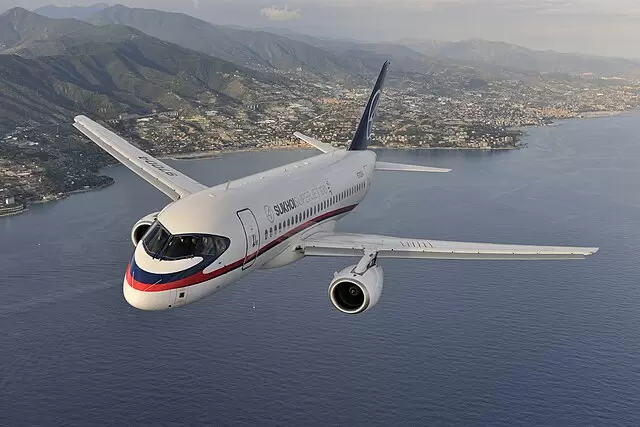
One of the biggest ways to achieve this is by changing how aircraft are designed and built. A more sustainable aircraft structure can reduce fuel use, lower emissions, and even make planes easier to recycle at the end of their life.

Airbus & Boeing
Over the years a lot has changed for the aviation industry. Both Airbus and Boeing have been focusing on how they can improve their products to be more sustainable for the reality. Traditional aircraft have been built from aluminium, which was not a bad idea because it was strong. But it was not the most environmentally friendly material to produce.
Nowadays they use composite materials, like carbon fibre reinforced plastic. These materials are lighter and stronger, meaning the aircraft burn less fuel. Which is very important for the aviation industry to save money for fuel. Even better, we found out that there is new research going on about exploring bio composites made from natural fibres such as flax or hemp. These materials require less energy to produce and are more biodegradable. They’re not widely used yet, but we think they have big potential for future sustainable designs.
Aerodynamics
Another key point where there can be improvements are aerodynamics. The shape of an aircraft affects how smoothly it moves through the air. Better aerodynamics means less drag and thus less fuel burned.
The winglets have always been involved in this industry. NASA was the first company to study winglets in 1979. Despite such early work winglets did not become standard right away on aircraft. It needed further innovation and commercial. The first commercial plane that had winglets was the B737 – 800 from the company Boeing in 2001. Since then, winglets have always been installed for medium haul flights.
Airbus is now developing new wings that are slimmer, lighter and shaped to maximise aerodynamic performance. These wings aim to generate more lift while reducing drag, which also means lower fuel consumptions. On the other hand, Boeing has also been researching newer wing designs. They also have come up with more advanced materials like carbon composites. This allows wings to be stronger yet thin and light. Thin wings reduce drag, and improved strengths permit wings to be shaped more optimally for aerodynamics. So, both companies have big plans for a more aerodynamic plane.
Eco-Friendly Manufacturing
Building an aircraft uses a huge amount of energy. Companies are now adopting cleaner manufacturing processes such as 3D printing, which reduces waste by producing only the materials needed. 3D-printed metal parts, for example, can be lighter and stronger than traditional components, while also creating less scrap material.
In recent years the aviation industry has improved a lot. State-of-the-art jets have been produced. For example, B787 and A350 have over 50% composite structures. Because they weigh less, they burn less fuel. Every kilogram that was saved, matters. Lighter planes can take off with smaller engines, require less power to stay airborne, and produce fewer carbon emissions.
The future of planes
The future of sustainable flight may include electric aircraft and hybrid engines. While current batteries are too heavy for large planes, electric aircraft are already being tested for short regional flights. These aircraft produce no emissions during flights and are much quieter.
Future planes will increasingly use lightweight composites, generative design, and 3D-printed parts that make aircraft lighter and stronger. Concepts inspired by nature (biomimicry) could lead to radically different shapes and more efficient wings.
Hydrogen, especially hydrogen–electric hybrid systems, is a leading candidate for zero-carbon flight in the 2030s and beyond. Companies like ZeroAvia are working on hydrogen powertrains for regional planes.
Survey Results
How familiar are you with the main structural components of an aircraft (e.g. fuselage, wings, empennage)?
A lot of people answered they don’t really know much about the main structural components.
In your opinion, which aircraft form factor has the greatest impact on aerodynamic performance?
Most participants identified wing shape as the most influential factor.
How important do you consider lightweight materials (e.g. composites) in modern aircraft structure?
More than half of the people voted that its very important.
Sustainable Aviation Fuel (SAF)
Air travel is an important part of our modern world. It connects people, countries, and cultures. It supports business, tourism, and global trade. But flying also creates a big problem; Airplanes produce large amounts of CO₂ and other emissions that warm the planet. As air traffic continues to grow every year, the question becomes more urgent: “How can we fly while also protecting the climate?”
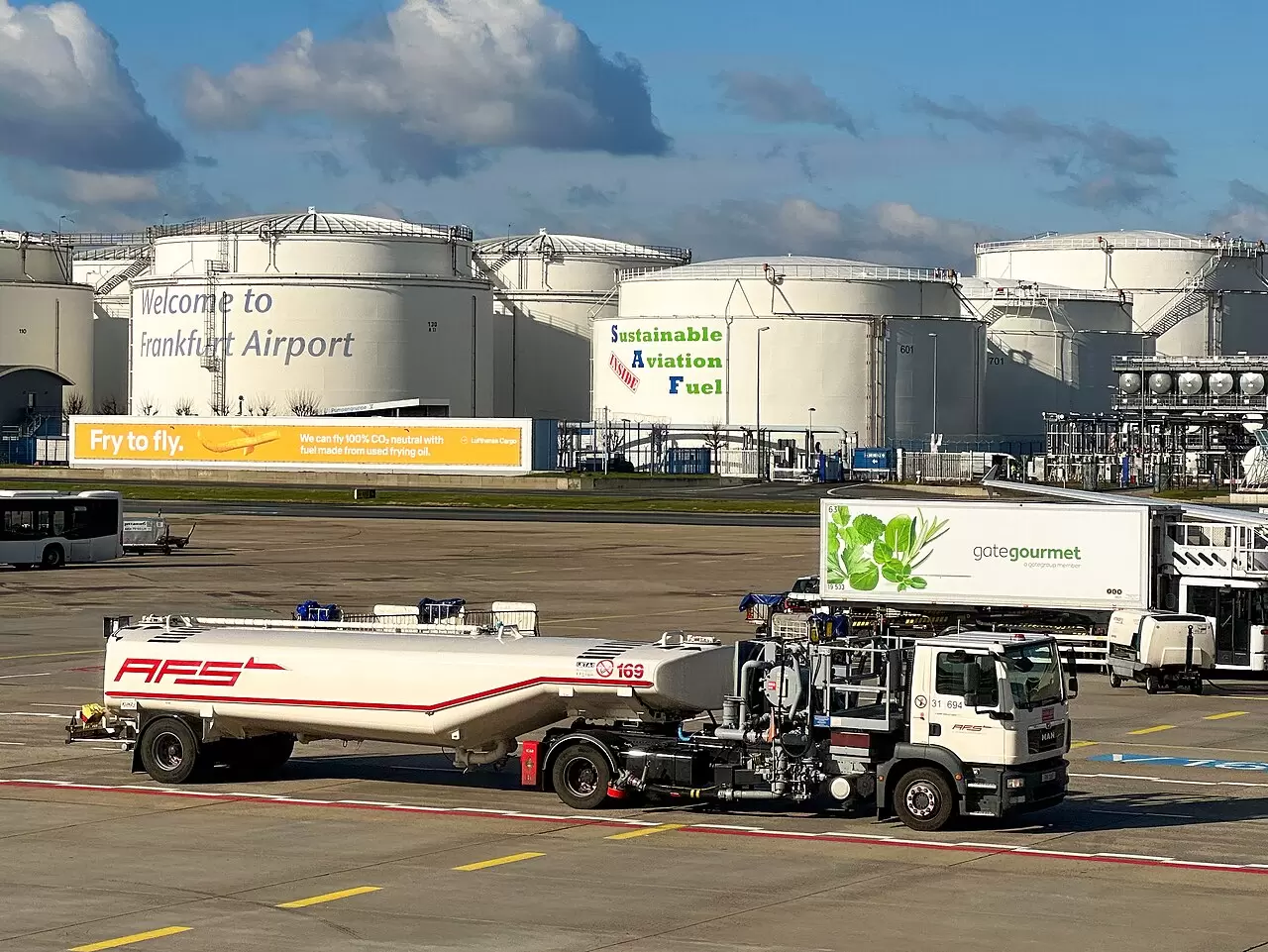
One of the most promising solutions is Sustainable Aviation Fuel (SAF). Many experts in science, politics, and the aviation industry believe, SAF could play a central role in making aviation climate friendly.
What is SAF?
Sustainable Aviation Fuel, or SAF, is a type of aviation fuel that is different from normal jet fuel. Normal jet fuel comes from fossil oil, which releases CO₂ that has been stored underground for millions of years. SAF, in contrast, is made from renewable and sustainable sources. These can include biomass, agricultural and household waste, used cooking oil, plants and plant oils, CO₂ captured from the air, and water and renewable energy.
Because the materials used for SAF come from renewable sources, and because the production process can be low-carbon, SAF can reduce CO₂ emissions by up to 80%. The exact reduction depends on what materials are used and how the fuel is produced.
Another big advantage of SAF is that it can be used right now. Most modern Airplanes can fly with a mixture of 50% SAF and 50% normal jet fuel without any changes to the engines. This makes SAF a realistic and immediate solution—unlike hydrogen aircraft or electric planes, which may take decades to become widespread.
Survey Results
But how much do people know about SAF? How important do they think it is? And would they pay a bit more money to support it? A small survey with 20 participants gives us some interesting insights.
How familiar are people with SAF?
Only a small number have a clear understanding of SAF. A much larger group has only heard the term without understanding what it means. And almost one-third know nothing about it.
How important do people think SAF is?
Even though people do not know much about SAF, they still think it is very important for reducing emissions in aviation.
Are people willing to pay more for SAF?
SAF is still much more expensive than normal jet fuel. Depending on how it is produced, it can cost three to five times more. Because of this, airlines usually need to charge an extra fee if passengers choose to support SAF. But the most people would still pay for this fee.
Challenges and the future of SAF
- Increasing production: Right now, SAF makes up less than 1% of the world’s aviation fuel. To reduce emissions significantly, production must grow massively.
- Reducing the cost: Prices will go down once production increases and technology improves.
- Clear regulations: The European Union plans new rules requiring airlines to use increasing levels of SAF.
- Better communication: The survey shows that most people know little about SAF.
Conclusion
SAF is one of the most important solutions for reducing CO₂ emissions in aviation today. Even though many people are not very familiar with SAF, they still believe it is important. Most people are even willing to pay a small extra fee to support cleaner flying. If production increases, costs fall, and communication improves, SAF can help create a more sustainable future for air travel.

Aircraft Recycling
What is Airplane recycling and why is it important?
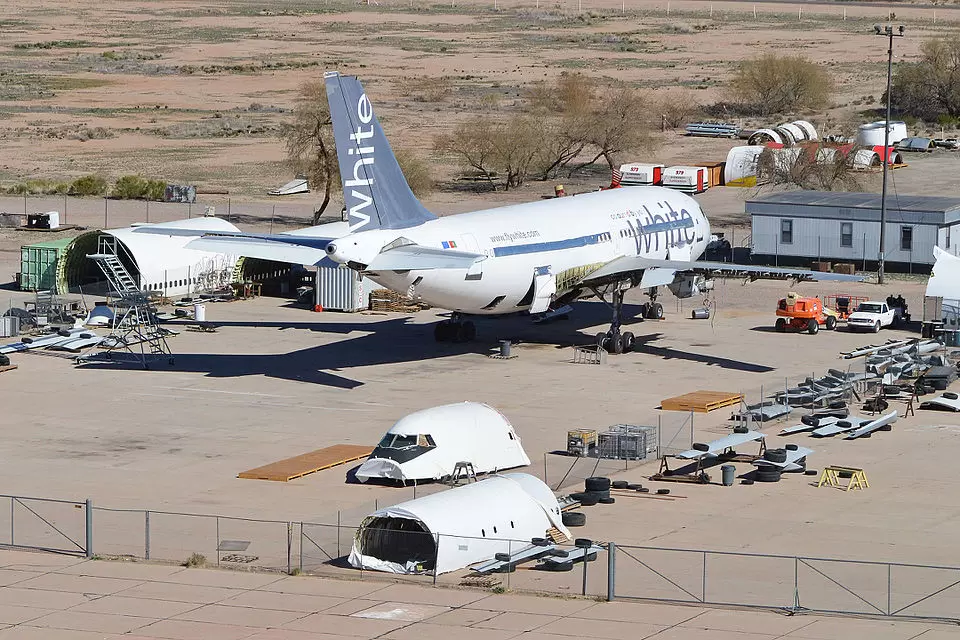
Airplane recycling is the process of taking apart old Airplanes and reusing their materials instead of throwing them away. When an Airplane reaches the end of flying, mostly after 20-30 years, it becomes too old or too unsafe for flying. And there are newer Airplanes that are more sustainable and cheaper to fly. Rather than letting the old, large machines sit in storage or end up as waste, special recycling companies help turn them into useful parts and materials.
Improving the Reuse of Airplane Parts
Airplane recycling could become even more sustainable by improving how reusable parts are removed and prepared. Instead of only checking major components, workers could use more advanced inspection tools to detect smaller parts that are still in good condition. This would allow even more pieces like sensors, interior materials, and smaller mechanical parts to be saved instead of thrown away. The process could also be made greener by using energy efficient equipment and environmentally friendly cleaning methods when preparing parts for reuse. If more components were reused or remade rather than replaced with new ones, airlines would use fewer raw materials and create far less waste. By expanding the number of parts that get a second life, the recycling process would reduce environmental impact while also lowering costs for airlines.
Making the breakdown and material recovery process more sustainable
The process of taking apart the Airplane’s remaining structure could be made much more sustainable with a few improvements. One way is to use cleaner, low energy cutting tools that reduce electricity use and produce less pollution. Recycling Centers could also design better systems for capturing dust and debris so that fewer harmful particles are released into the environment while the plane is being dismantled. Another improvement would be investing in advanced sorting machines that can identify and separate materials more accurately. This would prevent valuable metals from being mixed with waste, allowing more resources like aluminium, steel, and titanium to be reused instead of discarded. Additionally, some Airplane materials that are hard to recycle today, such as certain plastics or composite panels, could be made recyclable through new technologies or redesigned aircraft parts. By upgrading equipment, reducing energy use, and finding new ways to handle difficult materials, the entire breakdown stage could become far cleaner and more environmentally responsible.
Survey Results
How aware are people of the fact that retired aircraft can be recycled and reused?
Most respondents were very aware or somewhat aware, while a smaller portion were slightly aware or not aware at all.
How important do people think effective aircraft recycling is for reducing the environmental impact of aviation?
Most respondents considered it very important or important, with very few seeing it as less important and none considering it not important.
Would people support airlines that invest in sustainable end-of-life recycling programs for their aircraft?
Most respondents said yes, some said maybe, and none said no.
Authors
Yori Andreatta
Demian Quarella
Hayata Seiler
(reviewed by Sivani)
Sources
[1] ICAS Aircraft Structure Paper (icas.org)
[2] NASA Guide to Aerodynamics (nasa.gov)
[3] Is is possible to recycle Airplane? (an.aero)
[4] Cover Image (freepik.com)
[5] Catalyst research for sustainable kerosene (care-o-sene.com)
[6] Survey questions (docs.google.com)
On-topic posts on dontwastemy.energy
☷ See the project teams here »
☵ Some words about the contributions »
☴ Our sponsors and partners » (the-horse.education)
Well researched article
One more point which might be interesting to look at is the progress which was done the last 30 years regarding design and function of the new generation of jet engines for commercial airplanes. The progress made has contributed, together with the structural design and new materials ,to improve the ratio of energy used per passenger per flight distance.